
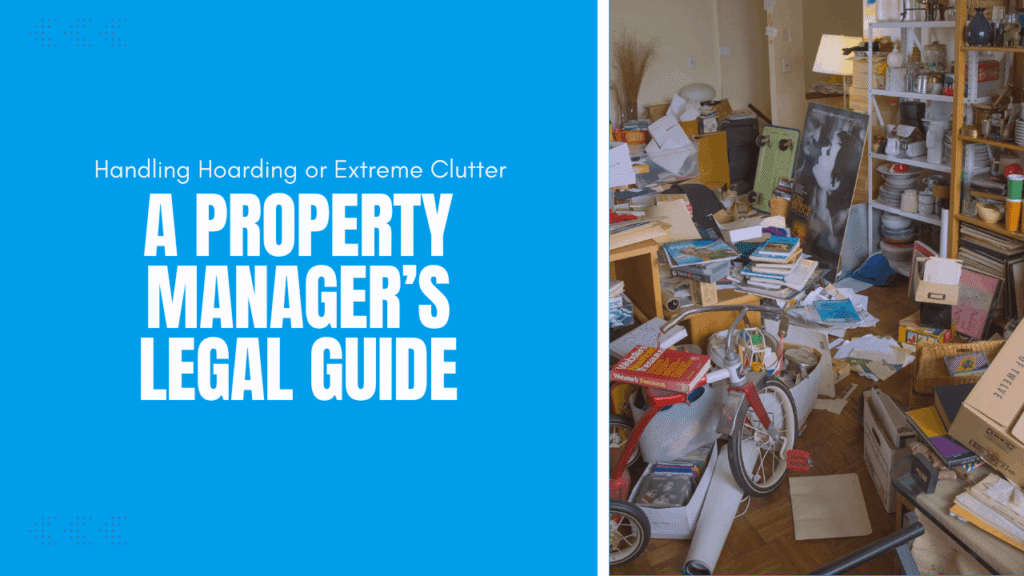
Are you renting to tenants who are prone to clutter and even hoarding?
Things can get pretty bleak, especially if the issue moves beyond a basic housekeeping hazard. Severe clutter can create fire hazards, pest infestations, mold growth, structural damage, and code violations. It can also expose you to liability if neighboring tenants are affected. Understanding your legal rights and responsibilities under South Carolina law is essential to handling these situations effectively, lawfully, and with compassion.
Quick Look:
|
Understanding Tenant Obligations Under South Carolina Law
Under the South Carolina Residential Landlord and Tenant Act, tenants are required to:
- Keep their dwelling unit reasonably safe and clean
- Dispose of garbage and waste properly
- Use fixtures and appliances in a reasonable manner
- Avoid deliberately or negligently damaging the property
Hoarding becomes a legal issue when it interferes with these obligations, which should also be included in your lease agreement. Excessive clutter that blocks exits, creates unsanitary conditions, damages flooring or walls, or attracts pests may constitute a lease violation.
You don’t necessarily want to label your tenant as a “hoarder,” but identifying specific health, safety, or property concerns will help you manage a situation that can quickly become untenable.
Recognizing When Clutter Becomes a Legal Concern
Clutter alone is not automatically a lease violation. Everyone has different standards of cleanliness and order. However, that mess becomes actionable when it creates:
- Fire hazards due to blocked egress points
- Structural strain from excessive weight
- Pest infestations caused by food waste
- Mold or biohazard conditions
- Violations of local housing or fire codes
Focus on objective conditions, not personal judgments. Courts respond to documented safety issues rather than opinions about cleanliness.
Fair Housing Considerations in South Carolina Rental Homes
Hoarding disorder is recognized by the American Psychiatric Association as a mental health condition. In some cases, it may qualify as a disability under the Fair Housing Act.
This means landlords must avoid discriminatory actions and may need to consider reasonable accommodations. For example, a tenant might request additional time to address clutter or assistance connecting with support services.
However, the law does not require you to allow unsafe conditions to continue. If the clutter poses a direct threat to health or safety, you may still enforce lease provisions, provided you follow proper procedures and apply rules consistently.
Talk to a property manager or a lawyer to ensure you’re not violating any tenant rights under this very strict law.
Consider Reasonable Accommodations Carefully
If a tenant indicates that hoarding behavior is related to a disability, you may need to evaluate a reasonable accommodation request. Examples could include:
- Extended time to complete cleanup
- Allowing a social service provider access to assist
- Creating a structured remediation plan
Consult legal counsel if you are unsure how to respond. The goal is to balance compliance with fair housing obligations while protecting the property and other residents.
Start with Clear and Respectful Communication
When a problem is discovered, begin with a calm, professional conversation. Explain the specific safety or maintenance concerns and how those conditions violate the lease. Be clear about the corrective action that’s required and provide a reasonable deadline for compliance.
Avoid accusatory language. Document all conversations and follow up in writing. Many situations improve when tenants understand the seriousness of the issue and feel they are being treated fairly.
Rely on Strong Lease Language
Prevention starts with a well-drafted lease. Your agreement should include:
- A sanitation clause requiring safe and clean conditions
- Provisions prohibiting hazards or code violations
- Inspection rights with proper notice
- Language allowing corrective action if violations persist
Clear lease language strengthens your position if enforcement becomes necessary.
Conduct Regular Inspections
Routine inspections, conducted with proper notice, help you identify problems early. During inspections, look for blocked doors or windows, excessive accumulation of trash, evidence of insects or rodents, and any damage hidden beneath stacked belongings.
Take dated photographs and detailed notes. Accurate documentation is critical if legal action becomes necessary.
Provide Written Notice if Needed
If violations exist, issue a formal written notice describing:
- The specific lease provision violated
- The hazardous condition observed
- The steps required to cure the issue
- A clear compliance deadline
Under South Carolina law, tenants generally must be given an opportunity to correct lease violations before eviction proceedings begin.
Eviction should be a last resort. If the tenant fails to correct serious safety violations after proper notice, you may pursue termination under the lease and the South Carolina Residential Landlord and Tenant Act.
Before filing, ensure you have:
- Clear documentation of hazards
- Copies of written notices
- Evidence of reasonable time to cure
- Records of communication efforts
Courts are more likely to rule in your favor when you demonstrate fairness, consistency, and thorough documentation.
Protecting Other Tenants
In multi-unit properties, hoarding can affect neighboring residents through odors, pests, or fire risk. You have a duty to maintain habitable conditions for all tenants. Prompt action helps limit liability and preserve community standards.
If conditions pose immediate danger, such as extreme fire hazards, consult local code enforcement or emergency services as appropriate.
Prevention Is the Best Strategy
 To reduce future risk, use strong lease language, conduct periodic inspections, address minor clutter concerns early, and encourage open communication. Maintain consistent enforcement policies.
Early intervention prevents small issues from becoming major legal problems.
Handling hoarding or extreme clutter requires a careful balance of compassion and compliance. South Carolina landlords must protect their property and other residents while respecting tenant rights under state and federal law.
If you approach the issue methodically and lawfully, you protect your investment and uphold safe housing standards for everyone in your rental community.
Talk to us if you have a problem with this in your rental home. Please contact us at J & P Unlimited. We manage investment properties in Myrtle Beach as well as Conway, Surfside Beach, Murrells Inlet, Socastee, and the surrounding areas.
