
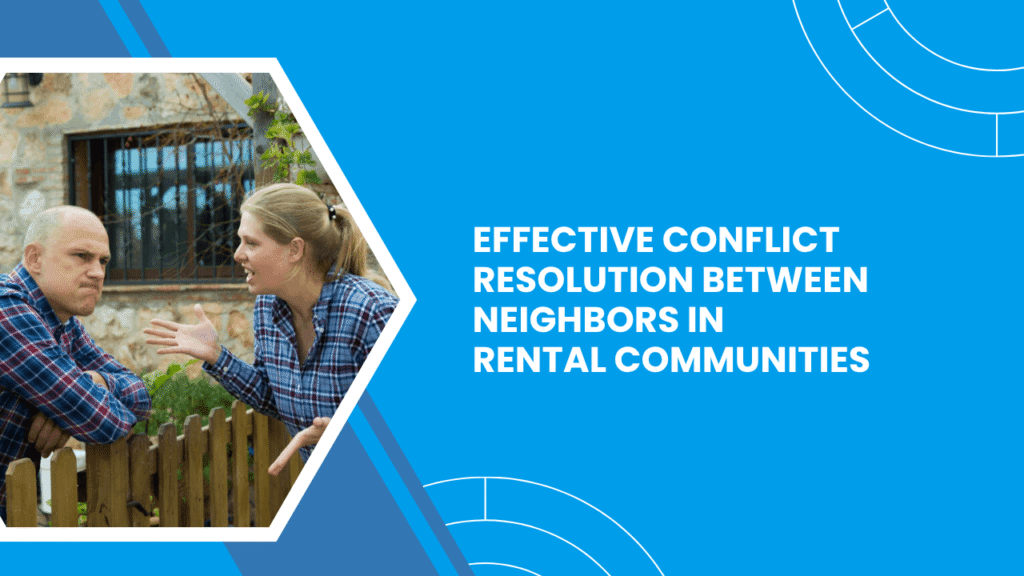
What’s the best way to manage conflicts between neighbors in your Myrtle Beach rental property?
As a rental property owner, you’re not just leasing individual units; you’re overseeing a shared living environment shaped by diverse tenants, short-term visitors, and seasonal turnover. With that mix, neighbor disputes are inevitable.
Noise complaints, parking conflicts, pet issues, and disagreements over shared spaces can escalate quickly if not handled properly. For property owners, unresolved conflict can lead to tenant turnover, lease violations, and potential legal issues.
Eliminating conflict is unrealistic, but managing it efficiently, fairly, and consistently can lead to a better experience. Let’s take a look at some strategies for resolving disputes and maintaining a stable, professional rental environment.
Our Overview:
|
Why Are Neighbor Conflicts Common in Myrtle Beach Rentals?
Myrtle Beach rental communities, especially those that are multifamily buildings, house a diverse mix of tenants. This creates overlapping lifestyles and expectations. A retiree seeking quiet may live next to a family with children. Nine-to-five employees may be sharing walls with a night-shift worker.
Common sources of conflict include:
- Noise (music, parties, foot traffic)
- Parking disputes
- Pet behavior
- Shared amenities (pools, laundry, hallways)
- Smoking or odors
- Trash disposal and cleanliness
Without clear systems in place, even small issues can escalate into ongoing disputes.
The Cost of Poor Conflict Management
Ignoring or mishandling tenant disputes can have measurable consequences:
- Increased tenant turnover
- Negative online reviews
- Lease violations or evictions
- Strained community atmosphere
- Potential legal claims related to habitability or discrimination
From an operational standpoint, unresolved conflict erodes the perceived value of your property and makes tenant retention significantly harder.
Establish Clear Expectations Early
The most effective conflict resolution strategy begins before any conflict occurs. Here’s what you need.
- Lease Agreements and House Rules
Your lease should clearly define acceptable behavior and community standards, including:
- Quiet hours
- Parking assignments and restrictions
- Pet policies
- Use of shared spaces
- Noise limitations
Avoid vague language. Specific, enforceable terms reduce ambiguity and give you a solid foundation for addressing disputes.
- Onboarding Communication
When tenants move in, reinforce expectations. Provide a written summary of community rules, explain how to report concerns, and set expectations for respectful neighbor interactions. This proactive communication reduces misunderstandings later.
Create a Structured Complaint Process
A consistent, documented process is critical for managing disputes professionally.
Step 1: Require Written Complaints
Encourage tenants to submit concerns in writing. This creates a record of the issue, reduces emotional escalation, and helps you identify patterns.
Step 2: Gather Information from Both Sides
Avoid making immediate judgments. Speak with all involved parties and collect relevant details, including timing and frequency of the issue, specific behaviors or incidents, and any prior attempts to resolve the problem.
Step 3: Document Everything
Maintain records of complaints, communications, and any actions taken. Documentation is essential if the situation escalates or requires legal intervention.
Address Issues Early and Neutrally
Timing and tone matter.
- Act Promptly. Delaying action allows frustration to build and increases the likelihood of escalation. Even if a full resolution takes time, acknowledge complaints quickly.
- Remain Neutral. As a landlord or property manager, your role is not to take sides. It’s to enforce lease terms and maintain a livable environment. Avoid emotional language or assumptions. Focus on facts, lease compliance, and objective standards.
- Use Graduated Enforcement. Not every issue requires the same level of response. A tiered approach is often most effective.
- Informal Warning. For minor or first-time issues, send a friendly reminder of community rules. Clarify expectations moving forward.
- Formal Notice. If the issue continues, provide a written warning referencing the lease and outline consequences for continued violations.
Enforcing the lease is important. For repeated or severe violations, apply penalties as outlined in the lease and consider lease termination if necessary.
Consistency is key. Uneven enforcement can create perceptions of favoritism or discrimination.
Encourage Direct but Respectful Communication
In some cases, tenants can resolve issues themselves if they are guided appropriately.
Encourage:
- Calm, respectful conversations
- Addressing issues early before frustration builds
- Avoiding passive-aggressive behavior
However, this approach should only be recommended when the situation is safe and unlikely to escalate. For more serious disputes, landlord involvement is essential.
Leverage Preventive Design and Policy
Some conflicts can be avoided with property design and operational choices. Think about the following when investing in a property:
- Sound Mitigation. Install better insulation or flooring.
- Parking Clarity. Clearly mark assigned spaces and provide signage where needed.
- Shared Space Management. Post visible rules in common areas and schedule regular cleaning and maintenance.
Small improvements can help.
Know When to Escalate
Some disputes go beyond routine management.
Consider escalation when:
- There are threats or safety concerns
- Harassment or discrimination is alleged
- Lease violations are repeated despite warnings
In these cases, you may need legal counsel or formal eviction help. We can provide that; contact us at J & P Unlimited.
Maintain Professional Boundaries
It’s easy to get pulled into tenant disputes emotionally, especially when both sides are persistent or frustrated. Maintain a structured approach:
- Stick to documented policies
- Avoid informal agreements that contradict the lease
- Communicate in writing whenever possible
Professional distance ensures consistency and protects you legally.
FAQs

Q: Should landlords get involved in every dispute?
Not always. Minor issues can sometimes be resolved between tenants, but landlords should step in when lease violations or ongoing problems occur.
Q: How should I handle repeated complaints from the same tenant?
Document all complaints and investigate patterns. If complaints are excessive or unfounded, address that behavior as well.
Q: Can I evict a tenant for causing ongoing conflict?
Yes, if their behavior violates lease terms and proper notice procedures are followed.
Q: What if both tenants are at fault?
Focus on enforcing lease terms equally. Address each violation independently and avoid assigning blame beyond documented behavior.
Effective conflict resolution can be complex, especially if you’re managing on your own. We can provide some support in sticky situations. Please contact us at J & P Unlimited. We manage investment properties in Longs, Myrtle Beach, Conway, Surfside Beach, Murrells Inlet, Socastee and the surrounding areas.
